
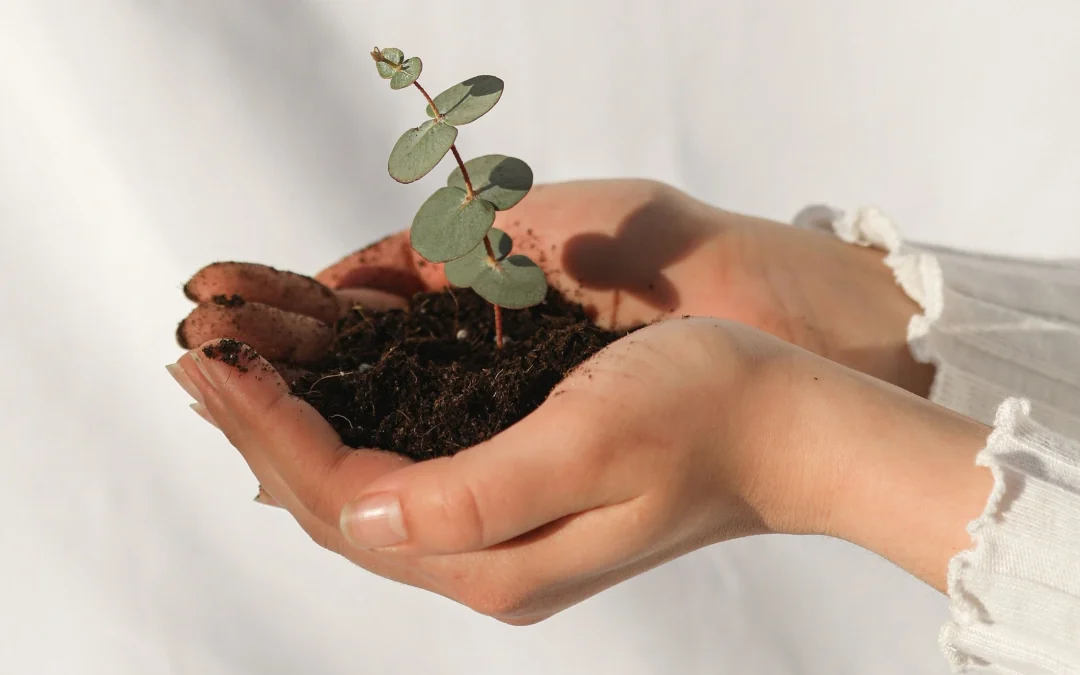
Exploring AA and alternative recovery communities, medication, family support, and holistic pathways to healing in Northeast Ohio
Riley went to one AA meeting after a hard year. People were kind, but the talk of powerlessness and a Higher Power didn’t land — and Riley walked out quietly convinced that recovery just wasn’t for people like them. At home, Riley’s partner had been lying awake for months, wondering whether it was their place to say something, and who they could even talk to.
If any part of that sounds familiar, here is what we want you to know: one meeting that didn’t fit is not proof that recovery doesn’t fit. Recovery can be built from many different supports — meetings, medication, therapy, peer connection, family support, and body-based practices — and people deserve the freedom to find the combination that helps them move toward safety, connection, and a life they want to live.
In this guide:
- AA and its alternatives — including a side-by-side look at secular, spiritual, and skills-based communities
- Medication and safety — why medication doesn’t make anyone “less sober,” and why stopping some substances alone can be dangerous
- Support for families — because loved ones deserve care of their own, whether or not the person they love is ready
- Peer support, therapy, and holistic practices — and how they can work together
Is AA the right place to start?
For many people, Alcoholics Anonymous has been exactly the right place. AA began in Akron, Ohio, in 1935 — right here in our corner of the state — and has grown into an international fellowship built on the Twelve Steps, sponsorship, service, and peer connection. It is free and widely available, and a room full of people who understand can ease isolation and build accountability. You can find meetings through Alcoholics Anonymous.
AA is also well supported by research. A 2020 Cochrane review found high-certainty evidence that manualized AA and Twelve-Step Facilitation programs lead to higher rates of continuous abstinence than other established treatments such as cognitive behavioral therapy, with benefits lasting up to three years (Kelly, Humphreys & Ferri, 2020). A 2025 New England Journal of Medicine review describes AA as the most widely used and effective peer-support intervention for alcohol use disorder (Haber, 2025).
Honoring AA doesn’t require pretending it fits everyone. Some people are uncomfortable with spiritual language or the idea of a Higher Power. Others don’t connect with the language of powerlessness or a lifelong identity as an “alcoholic” or “addict.” Some want a more skills-based or secular approach, and some have sat in a meeting that didn’t feel affirming, culturally responsive, or trauma-informed.
The question does not have to be, “Will you go to AA?” A more useful question may be: “What kind of support helps you stay connected to the life you are trying to build?”
What are the alternatives to AA?
The National Institute on Alcohol Abuse and Alcoholism notes that there is no one-size-fits-all treatment for alcohol use disorder, and that evidence-based care can include behavioral health treatment, medication, and mutual-support groups (NIAAA). Within mutual support alone, there are more options than many people realize. Some people use one of these communities instead of AA; others attend more than one.
| Community | Approach | Recovery Goal | Spiritual or Secular | For Loved Ones |
|---|---|---|---|---|
| Alcoholics Anonymous | Twelve Steps, sponsorship, service, peer fellowship | Abstinence | Spiritual (Higher Power, broadly defined) | Al-Anon & Alateen (separate fellowships) |
| SMART Recovery | Skills-based self-management using motivational and CBT tools | Abstinence-focused; welcomes people still deciding | Secular | Family & Friends meetings |
| Recovery Dharma | Peer-led; meditation, mindfulness, compassion, inquiry | Abstinence | Buddhist-inspired, non-theistic | — |
| Refuge Recovery | Meditation, mentorship, inventory, the Eightfold Path | Abstinence | Buddhist-oriented, non-theistic | — |
| LifeRing Secular Recovery | Self-empowerment; build a personal recovery plan | Abstinence | Secular | — |
| Women for Sobriety | New Life Program and 13 Acceptance Statements; self-worth and growth | Abstinence | Secular, holistic | CARE program |
Based on each organization’s published approach at the time of writing. Formats vary by group, and many offer online meetings. “—” means no dedicated family program is listed; check each organization’s site.
A note about fit: A person’s medical risk, substance, history, values, and goals all matter. Recovery support should be matched to the person — not the other way around.
Is medication part of recovery?
Medication can be an evidence-based part of recovery — and using medication does not make someone “less sober,” less committed, or less deserving of respect.
For alcohol use disorder, naltrexone and acamprosate are considered first-line, with the strongest evidence for reducing return to drinking; disulfiram is an option in specific circumstances, typically with supervision and a motivated patient (Holt, JAMA, 2026; American Psychiatric Association Practice Guideline, 2018).
For opioid use disorder, buprenorphine, methadone, and naltrexone are all evidence-based, but they are not interchangeable. Buprenorphine and methadone are specifically associated with reduced overdose and lower mortality (Volkow & Blanco, World Psychiatry, 2023). Extended-release naltrexone can only be started after a period without opioids — typically 7–10 days after short-acting opioids, and often 10–14 days after longer-acting ones such as methadone or buprenorphine — to avoid precipitated withdrawal. All of these medications work best alongside counseling and recovery support (SAMHSA: Treatment Options | NIAAA: Treatment for Alcohol Problems).
Safety matters. Stopping alcohol, benzodiazepines, or certain other substances abruptly can be medically dangerous. Anyone who may be physically dependent should talk with a medical professional rather than attempting withdrawal alone. For anyone using opioids — or their loved ones — naloxone (Narcan) reverses opioid overdose and is available without a prescription at most pharmacies. Keeping it on hand is a simple, life-saving step.
Harm reduction means practical, nonjudgmental strategies that lower risk — naloxone access, fentanyl test strips, safer-use education, and staying connected to care even when abstinence isn’t the immediate goal. It meets people where they are and can be a bridge to further treatment when someone is ready.
How does addiction affect families?
When one person is struggling, the effects ripple through the whole family. Partners may live with fear, broken trust, financial stress, and the exhausting work of figuring out what’s true. Parents may become consumed with monitoring, rescuing, or bracing for the next crisis. Siblings may feel overlooked. Children may learn to read the emotional temperature of the room, keep secrets, and blame themselves for things they can’t control.
Families often fall into patterns that make sense as attempts to survive — checking, covering, pleading, rescuing, overfunctioning, withdrawing. These patterns don’t mean the family caused the addiction. They reflect people working hard to create safety in an unpredictable situation.
Loved ones don’t have to wait for someone else’s recovery to begin their own healing.
Family members are allowed to seek therapy, boundaries, education, safety planning, and community for themselves — even when the person using substances isn’t ready to change. SAMHSA emphasizes that family support, family therapy, and support groups are meaningful parts of care (SAMHSA: Helping Families Cope).
Where loved ones can find support:
- Al-Anon Family Groups — A 12-step fellowship for relatives and friends affected by someone else’s drinking. Alateen serves teens.
- Nar-Anon Family Groups — A 12-step fellowship for those affected by a loved one’s drug use.
- SMART Recovery Family & Friends — A secular, practical program drawing on CRAFT (Community Reinforcement and Family Training) and the Invitation to Change approach.
- Women for Sobriety CARE — A secular family-support option grounded in kindness and a holistic framework.
Family therapy can help families talk about impact without every conversation becoming a debate about whether there’s “really” a problem — clarifying boundaries, supporting children, repairing trust where possible, and telling the difference between support and rescuing. Where there is violence, coercive control, or concern for a child’s safety, safety planning and specialized services come first.
Not sure where to begin — for yourself or someone you love? A brief, confidential conversation with one of our therapists can help you sort out what kind of support fits. Contact Stella Luna Counseling & Wellness — no pressure, no commitment.
How can peer recovery support help?
Peer Recovery Support Specialists bring something clinicians can’t replicate: lived experience of walking a similar road. Research suggests their strongest, most consistent benefit is helping people connect to — and stay engaged in — treatment (Eddie et al., Frontiers in Psychology, 2019).
Peer support may be a good fit if you:
- want encouragement from someone who has been there
- need help navigating resources, appointments, or next steps
- feel disconnected from treatment or unsure it’s working
Peer specialists complement — rather than replace — licensed clinical and medical care (SAMHSA: Peer Support Workers).
Can therapy help with more than substance use?
Substance use rarely exists in a vacuum. People may also be carrying trauma, grief, anxiety, depression, chronic stress, pain, or relationship wounds. Therapy can help someone understand the role a substance has played — not as an excuse, but as a map of what needs to change and what other supports are needed.
Depending on the person, that may mean coping skills, relapse prevention, trauma treatment, emotion regulation, boundaries, self-compassion, grief work, or rebuilding a meaningful life. At Stella Luna, our approach is trauma-informed and whole-person. Learn more about our mental health therapy services.
Do mindfulness, yoga, and movement support recovery?
Recovery isn’t only about stopping a behavior. It’s also about learning to live in your body and nervous system without relying on that behavior to get through hard moments. In practice, that might look like:
- a mindfulness practice that creates a few more seconds between an urge and an action
- yoga that helps rebuild a safer relationship with the body
- meditation as a place to notice thoughts without automatically obeying them
- movement that supports sleep, routine, connection, and stress relief
The research here is still developing. A 2021 Cochrane review found low-certainty evidence that mindfulness-based interventions may slightly reduce substance use, and evidence for yoga is promising but preliminary (Goldberg et al., 2021; NCCIH). These practices are best seen as complements to — not replacements for — medical and psychological care.
At Stella Luna, restorative offerings such as our float experience, sound-based relaxation, yoga and mindful movement, meditation, infrared sauna, and halotherapy support relaxation and embodied awareness. We don’t present these as treatments for addiction; they are supportive practices that can fit within a larger recovery and wellness plan when appropriate.
What does recovery look like beyond abstinence?
For many people, abstinence is essential. Recovery is also about what gets built: relationships, routines, finances, meaningful work, sober friendships, a safer relationship with the body, a connection to spirituality or values, and joy returning to daily life.
A sustainable plan usually has more than one pillar. One person might combine medication, therapy, SMART Recovery, yoga, and an occasional AA meeting. Another might build around AA, sponsorship, trauma therapy, and exercise. Someone else might connect most with Recovery Dharma, counseling, and community.
The goal is not to create the “perfect” recovery identity. The goal is to build enough support, safety, connection, and flexibility that recovery can hold up in real life.
What if the first thing I try doesn’t fit?
Think back to Riley. One meeting that didn’t fit wasn’t the end of the story — it was information. The next step might be a SMART Recovery meeting, a conversation with a provider about medication, or a few sessions with a therapist who can help sort out what’s underneath. And Riley’s partner can start getting support today, whether or not Riley is ready.
Sometimes the program isn’t the right fit; sometimes it’s the specific group. Sometimes professional treatment needs to come before peer support feels useful. Plans change over time, and that’s okay. You are allowed to ask questions, explore, and build a recovery that works for you.
A few places to start:
- Talk with a licensed mental health or substance-use professional about what level of care fits.
- Ask a medical provider whether medication could be part of the plan — and check in before stopping any substance you may be physically dependent on.
- Try more than one meeting or community before deciding what fits.
- If you’re a family member, get support for yourself now.
Frequently Asked Questions
What are the alternatives to AA?
SMART Recovery, Recovery Dharma, Refuge Recovery, LifeRing Secular Recovery, and Women for Sobriety are among the best known. Many people combine peer support with therapy and medication — there is no rule that you have to pick just one.
Does taking medication mean I’m not really sober?
No. Medications such as naltrexone, acamprosate, buprenorphine, and methadone are evidence-based treatments that reduce cravings, withdrawal, and overdose risk. Using medication is a legitimate, effective part of recovery.
How do I help a family member who won’t get help?
You don’t have to wait for them to be ready. Al-Anon, Nar-Anon, SMART Recovery Family & Friends, and family therapy — including approaches like CRAFT — can help you set boundaries, protect your own well-being, and communicate in ways that encourage change.
Is it safe to quit on my own?
Not always. Withdrawal from alcohol, benzodiazepines, and certain other substances can be medically dangerous. If you may be physically dependent, talk with a medical professional before stopping. For anyone using opioids, keeping naloxone (Narcan) on hand is an important safety step.
Do you offer telehealth in Ohio?
Stella Luna serves clients throughout Ohio and in person in Northeast Ohio. Reach out to ask about in-person and telehealth availability.
Looking for whole-person support in Northeast Ohio?
Stella Luna Counseling & Wellness offers mental health therapy and a range of wellness practices that support mind-body well-being. We welcome confidential conversations about what fits your goals — and about when specialized substance-use or medical care may be needed.
Contact us to schedule a free 15-minute consultation at Stella Luna Counseling & Wellness, or call us at (440) 879-8517. Your conversation is confidential, and there is no obligation to continue.
Crisis and treatment resources
- If you or someone else is in immediate danger, experiencing an overdose, or having a life-threatening medical emergency, call 911.
- For mental health or suicide crisis support in the U.S., call or text 988.
- SAMHSA’s National Helpline — Free, confidential, and available 24/7 at 1-800-662-HELP (4357).
- SAMHSA FindTreatment.gov — A confidential U.S. locator for mental health and substance-use treatment.
- Also referenced: SAMHSA, NIAAA, and NCCIH resources on treatment, peer support, family support, and mind-body approaches for substance use disorders.
Educational disclaimer: This article is for general educational purposes and is not a substitute for individualized medical, psychiatric, or substance-use treatment. Recovery needs vary, and some forms of withdrawal can be medically dangerous. Seek professional guidance when making treatment decisions. Riley is a composite example, not a real client.
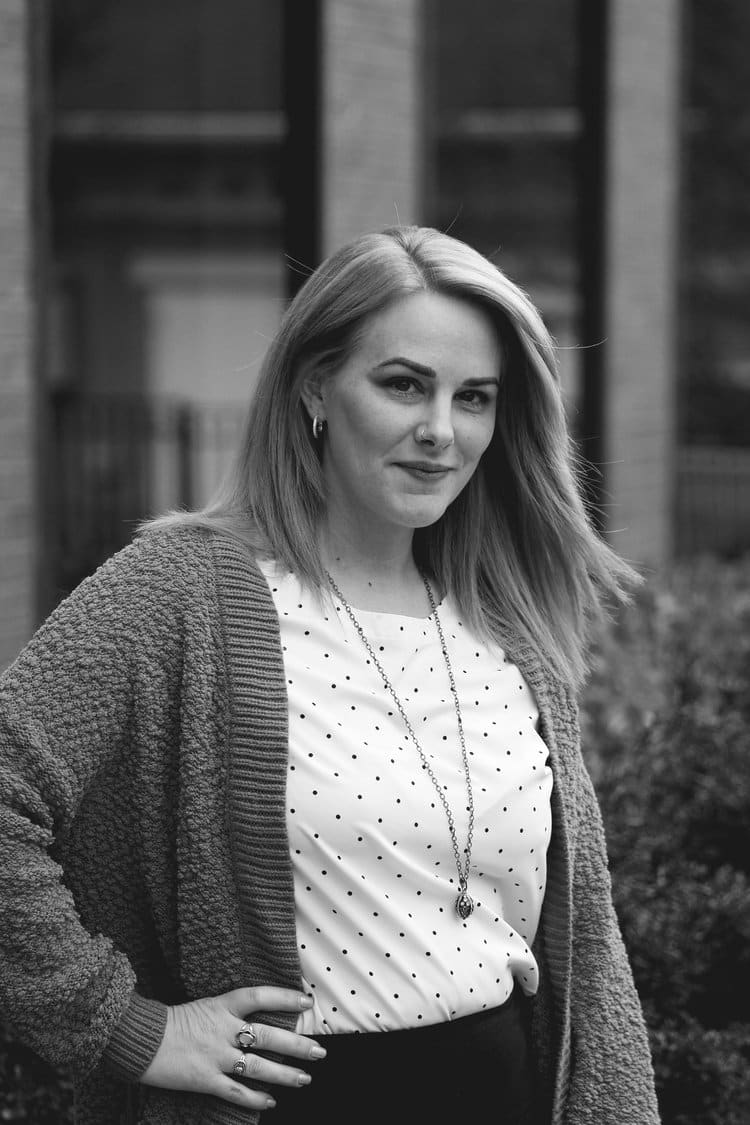
Jennifer is a licensed professional clinical counselor (LPCC-S), psychotherapist and coach, creating a non-judgmental space for her clients to feel comfortable exploring their inner-most fears, challenges, and desires. As the founder and clinical director of Stella Luna, she holds space for you to explore the meaningful connections between past and current experiences, limiting beliefs, and current behaviors that are holding you back from being the most authentic version of yourself you’ve ever experienced. Learn more about Jennifer and her work at Stella Luna.